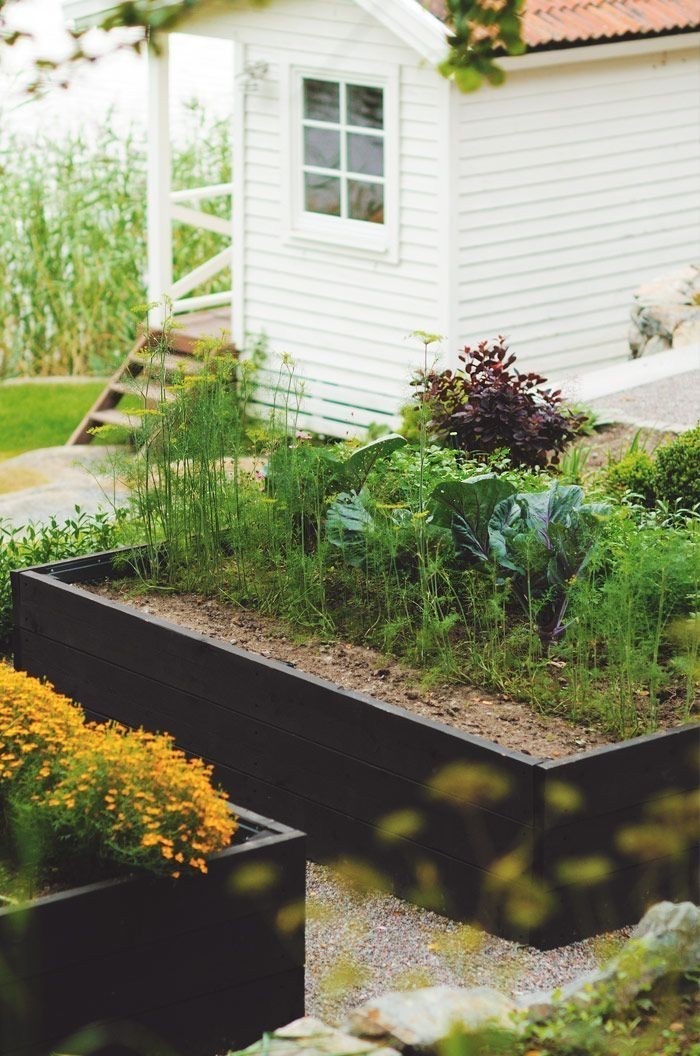

Since 5th grade, I’ve been on a mission to create a vegetable version of a Netflix show, filled with colorful characters and wild twists! I explore seed catalogs as if they’re a buffet, making a wish list for so many vegetables, that unfortunately doesn’t match my bank account. Over the years, I’ve grown hundreds of veggies from around the world; they taste great and look amazing, often inspiring others to try gardening themselves—unaware it’s like a reality show where the plants always win!

Starting in mid-February to early March, peas are the first seeds ready to be planted. These little green gems love cooler temperatures and can handle frosty weather—how cool is that? Make sure to prepare the soil when it’s dry and so it won’t clump up.
Now, let’s talk about “Golden Sweet,” a snow pea variety that has been around since the mid-1800s. These sweet peas are so tasty that you’ll want to eat them straight from the vine.

And for all you asparagus lovers out there, let me introduce you to the amazing Purple Passion! Asparagus loves organic soil that is light and loose, mixed with compost and manure, because who doesn’t enjoy a little pampering?
Plant crowns (which look like alien roots) about 6-8 inches deep and 1-2 feet apart from late winter to early spring. Don’t be fooled by the color; when you cook it, it turns back to green, but no worries—the flavor is absolutely delicious!
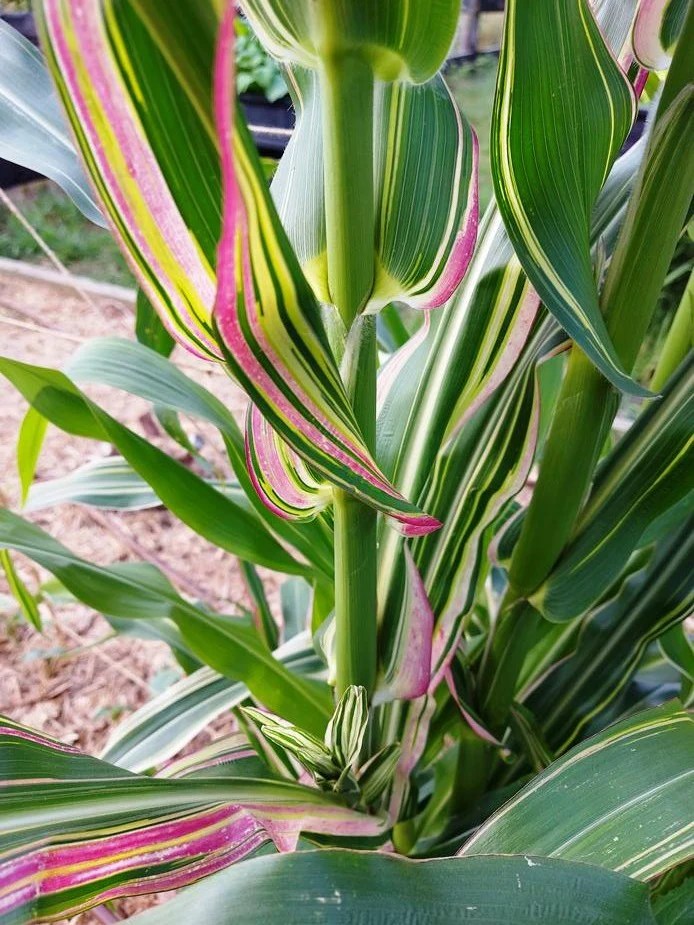
Zea Mays (corn) – “Japanese Striped Maze” is a unique vegetable, showcasing bright colors reminiscent of a festive celebration. First appearing in seed catalogs in the 1890s, it must have surprised gardeners. It’s a great companion for flowers or spring lettuce in your garden. Each leaf displays a mix of pinks, whites, yellows, and rosy swirls. By late June, the dwarf plants feature dark purple tassels and small burgundy ears of corn.

For the pepper enthusiast who craves a little excitement, the Black Jalapeno struts its glossy black fruits like it just stepped off a spicy fashion runway. Its foliage flaunts a fabulous burgundy vibe that matches the stems and leaf edges—it’s basically a plant model. With a flavor that’s more sweet and mellow than its sassy green Jalapeno rival, this beauty deserves a starring role in your salads and a cameo in all your Mexican dishes.

Lastly, let’s talk about a vegetable that’s unforgettable: the Twainese Purple Long Bean! This bean isn’t just special; it’s been part of Asian cooking for centuries, making it a standout in the vegetable garden.
Plant seeds in late May, and watch them grow quickly! Just make sure you have a strong trellis or arbor, because these beans love to climb and need space.
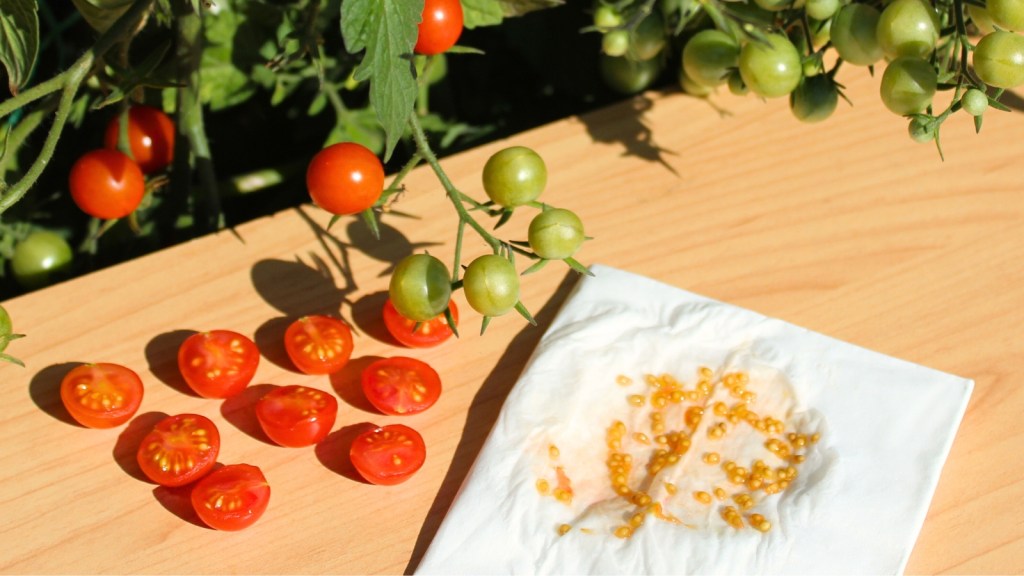
Here’s a little tip: I never buy seeds twice! I let 3-5 fruits ripen to collect the seeds. Then, I rinse them in a fine mesh colander to get rid of any goop—nobody likes messy seeds! I dry them on a paper towel to soak up extra moisture.
Once they’re dried, store them in a zip lock bag with the seed information written on it. Seal it up and store in the refrigerator.
Honestly, taking extra time is worth it—you’ll save money for new gardening gloves or a nice hose! Plus, you can share extra seeds with friends, bringing rare colors to your garden. Gardening is an adventure for everyone!
| Where To Find My Edible Treasures Baker Creek Heirloom Seeds www.rareseeds.com Golden Sweet-Snow Pea Purple and Purple Long Bean Stark Bro’s www.starkbros.com Asparagus ‘Purple Passion’ Seed Savers Exchange www.seedsaversexchange.org Japanese Striped Maze |
Beth Burrell, offers 25 years of expertise in “Four Season” Garden Design, Rare Plants, Consultations, Sustainable Edibles, Container Garden Creations, plus garden workshops and talks. Beth is also known for her 19 years as a horticulture educator with Lewis Ginter Botanical Garden, University of Richmond, Hanover Master Gardeners, and Lectures throughout the region.
 Beth Burrell Designs

Leave a comment